Daily Food Safety Records for Cafés: A Simple Routine
Keep your café’s food safety records organised with a practical daily routine. Learn what to record, how to share responsibility and why follow-up actions matter.
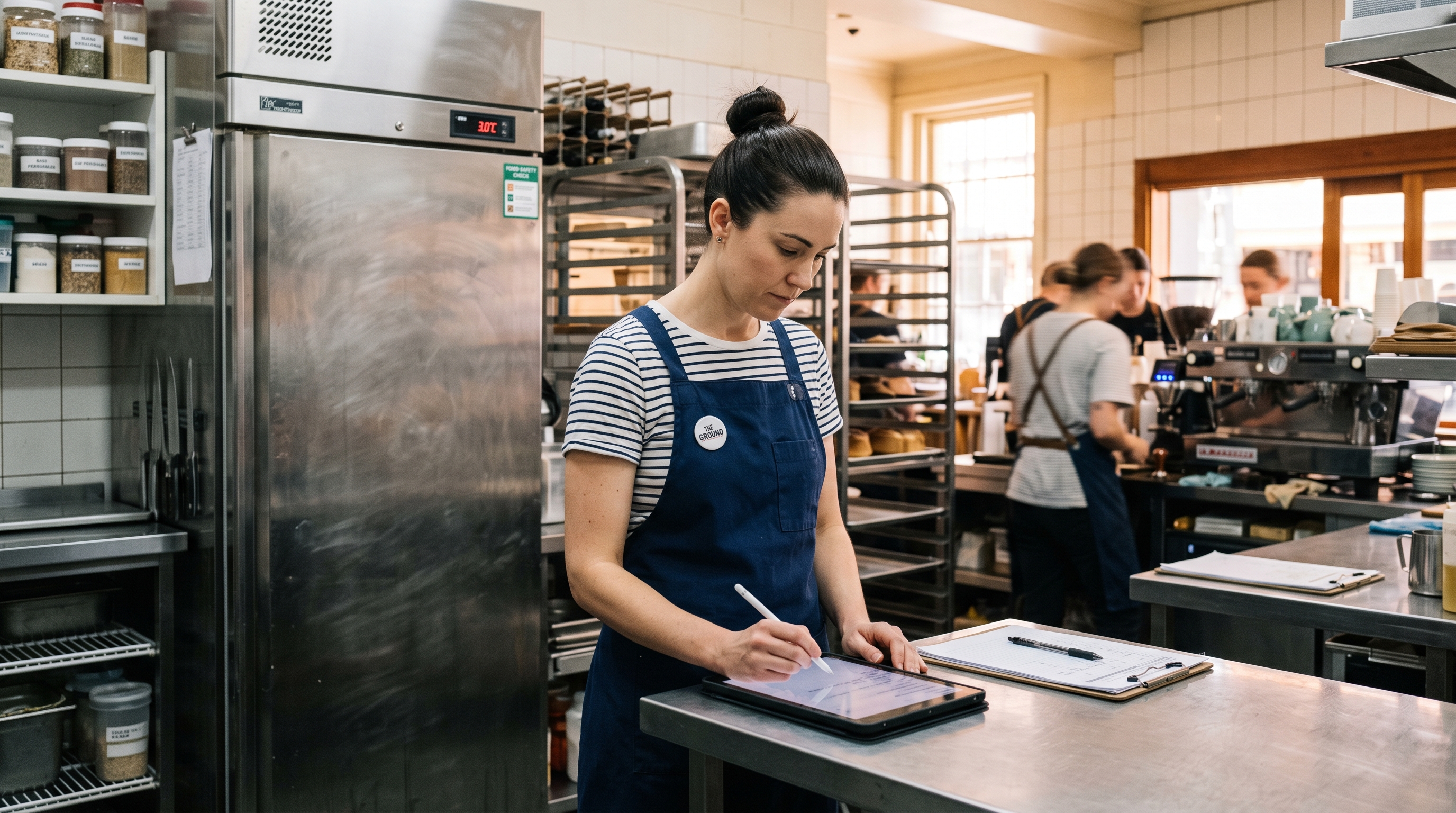
Running a café means juggling deliveries, prep, customers and staff. Food safety checks need to fit into that working day, with records that are easy to complete and useful to review.
A clear routine can help your team know what to check, when to record it and who to tell if something needs attention.
Start with the food you actually handle
Build your records around your menu and processes. A café preparing sandwiches and displaying chilled cakes will have different monitoring needs from a kitchen cooking, cooling and reheating meals.
Useful records may cover:
- Food deliveries and acceptance checks.
- Refrigerated storage and food display.
- Cooking, cooling and reheating, where relevant.
- Cleaning and sanitising.
- Problems identified and the actions taken.
The NSW Food Authority’s guidance on showing food is safe explains these food-handling activities and gives examples of monitoring records.
Use the routine below as an organisational starting point. Confirm the checks, limits and monitoring frequency appropriate to your business with your food safety supervisor and local food authority.
Before opening: make responsibility clear
Assign opening checks to a specific person, with someone available to cover absences. “The morning team will do it” can easily become a task everyone assumes someone else has completed.
Your opening routine might include:
- Completing scheduled fridge, freezer and display checks.
- Checking that cleaning tasks have been completed.
- Confirming monitoring equipment is available and ready to use.
- Reviewing unresolved issues from the previous shift.
Name equipment consistently. “Kitchen fridge 1” is easier to identify than “the big fridge”, particularly for new or relief staff.
Make clear whether a temperature entry relates to the equipment or the food itself. They are different measurements and should not be confused.
During the day: record checks as they happen
Opening checks are only part of the routine. Deliveries arrive, food is prepared and equipment is used throughout the day.
Fit records into the activity they relate to. Complete delivery checks when stock arrives, and process checks at the relevant stage of preparation.
A useful entry normally identifies:
- The date and time.
- The food, batch, equipment or task checked.
- The actual reading or observation.
- The person completing the check.
- Any action or follow-up needed.
Avoid relying on memory at the end of a busy shift. If a check was missed, record the gap honestly and tell the responsible person. Do not invent a reading to fill an empty box.
When something is wrong: record the response
A reading outside your procedure’s limit needs attention. Writing it down is only the first step.
Follow your business’s corrective-action procedure, involve the responsible supervisor and record what happened.
For example, a note about a refrigeration problem should identify the affected unit, the reading, when the problem was noticed and who was informed. It should also document how affected food was assessed and managed, plus any follow-up checks.
Avoid vague notes such as “sorted”. The next person should be able to understand what was done and whether anything remains unresolved.
Before handover: review outstanding items
Build a brief review into the handover or closing routine.
Check whether:
- Scheduled records have been completed.
- Unusual readings have been followed up.
- Cleaning tasks have been recorded accurately.
- Equipment faults have been passed on.
- Outstanding actions have a named person responsible.
Some activities, such as cooling food, may continue beyond a shift change. Make the next check and the person responsible clear before handing over.
Keep the system easy to use
Paper and digital records both need a workable routine. Staff should know where records belong and managers should be able to find them without searching through several folders or devices.
Keep forms focused, use consistent names and show new staff a properly completed example. Review recurring gaps with the team: they may point to unclear instructions, awkward timing or a training need.
KitchenCheck can help Australian food businesses keep food safety records organised and support a more consistent daily routine. It works alongside staff training, suitable procedures and active supervision.
Start by reviewing one day of your current records. Can you tell what was checked, who checked it and what happened when something needed attention? Use any gaps to improve the next shift’s routine.