How to Use KitchenCheck: A Simple Guide for Food Businesses
A straightforward starting guide for setting up KitchenCheck and using it during everyday food service.
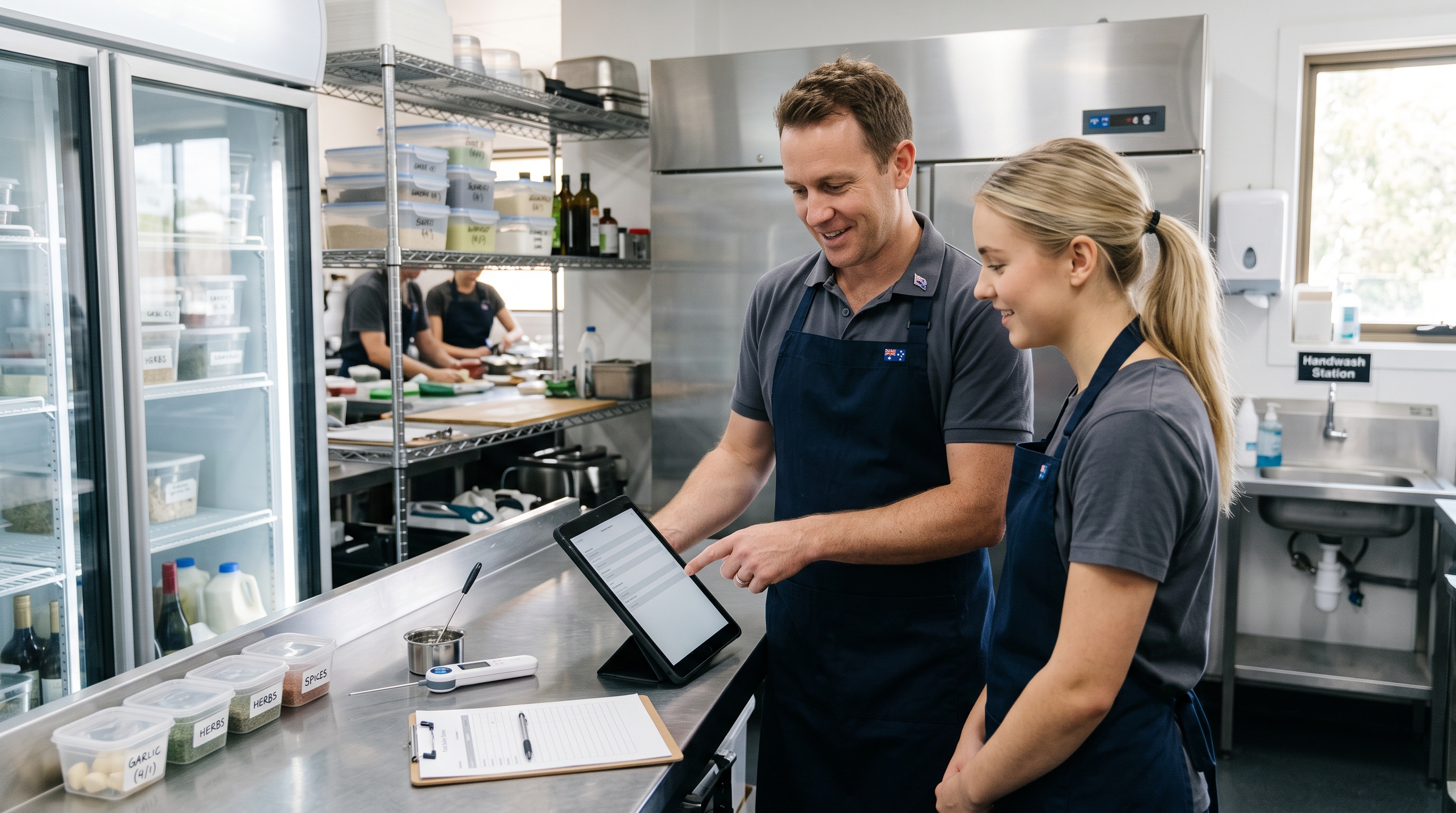
KitchenCheck is designed to fit around the way your food business already works. The best results come from setting up practical procedures first, then using the app to make those procedures easier to follow and review.
1. Set up the venue
Start with the venue type, region, equipment, meal periods and operating hours. KitchenCheck uses this information to suggest a useful starting set of checklists. Review the suggestions carefully and adjust them to match your own food safety program.
2. Review the checklists
Before staff use the app, check each item, timing and expected range. Keep only the checks that make sense for your operation, and add any venue-specific steps that your procedures require.
3. Give staff a simple way in
Staff can use the venue's shared tablet and their assigned PIN. Show the team where the staff hub is, how to open the current checklist and what to do if a reading is outside the expected range.
4. Complete checks during service
Staff should record checks as they happen rather than trying to remember them later. Each completed item keeps the staff attribution and time in the digital record, which helps managers understand the day's activity.
5. Review alerts and corrective actions
When KitchenCheck flags a reading, the responsible person should follow the venue's corrective action procedure, record what was done and decide whether further escalation is needed. The app records the response; it does not make that operational decision for you.
6. Review reports regularly
Managers can use the dashboard and reports to look for missed checks, recurring alerts or areas where a procedure needs clarification. Regular review is more useful than waiting until an inspection or incident.
KitchenCheck is a supporting tool, not a substitute for an approved food safety program, staff training or professional advice. It does not guarantee HACCP compliance, so confirm your obligations and procedures with the relevant Australian authority or food safety adviser.